

Blog

Have you ever stepped into summer feeling excited for lighter meals, vacations, and warm-weather clothes, only to end up feeling puffy, bloated, and uncomfortable instead? Maybe your stomach feels swollen by the end of the day, your favorite summer outfit suddenly feels tight, or the scale refuses to budge no matter how “healthy” you try to be. If you’re a woman in your 30s and up, you’re not imagining it. Summer heat, travel, cookouts, sugary drinks, dehydration, and disrupted routines can all aggravate the gut and make bloating worse. And when your gut is inflamed or imbalanced, weight loss can feel stalled before it even starts. Today, I’m pulling back the curtain on why summer can work against your digestion and why a gut-focused, homeopathic approach can help you feel lighter, more comfortable, and more confident in your body. The Big Secret: Summer Bloat is Often a Gut Problem Here is the truth most seasonal weight loss advice misses: bloating and stubborn summer weight are often signs of an underlying gut imbalance. When you focus only on calories, cardio, or cutting out more foods, you may miss the real issue. At Body Wellness Boutique, the question is why your body feels inflamed, swollen, or resistant to change in the first place. Is it poor digestion? Sluggish elimination? SIBO (small intestinal bacterial overgrowth) ? Leaky gut , where the intestinal lining becomes irritated and overly permeable? Or a combination of stress, hormones, and food triggers? For many women in their 30s and up, fixing the gut is the secret to finally feeling light in summer clothes. When digestion works better, your body is often less inflamed, less reactive, and more able to release excess weight naturally. By using homeopathic support alongside a root-cause wellness plan, we help address these internal “clogs” so your body can function the way it was designed to. ✅ Less bloating starts with better gut balance. ✅ Sustainable weight support comes from healing, not punishment. ✅ Personalized care helps you understand what your body is reacting to.

You're exhausted. You've been to doctor after doctor, tried medication after medication, and still, nothing's really working. Sure, maybe your symptoms calm down for a bit, but they always come roaring back. Sound familiar? Here's the thing: you're not broken. Your body isn't failing you. But the approach you've been using? It might be. Welcome to functional wellness , the root-cause approach that's finally asking why instead of just slapping a band-aid on your symptoms and calling it a day. What Is Functional Wellness, Anyway? Let's cut through the buzzwords. Functional wellness is a holistic, biology-based approach that digs deep to find out why your body is struggling instead of just treating what's showing up on the surface. It's not about masking symptoms: it's about understanding what's causing them and fixing that. Think of it this way: if your check engine light comes on, you don't just put tape over it and keep driving, right? You pop the hood and figure out what's going wrong. That's functional wellness in a nutshell. Instead of asking, "What medication can I take for this?" functional wellness asks: Why is your body inflamed in the first place? What's triggering your chronic fatigue? Why won't your hormones balance out? What's really behind your digestive issues? It's about looking at your entire health picture : your physical state, mental health, lifestyle, environment, stress levels, sleep quality, and yes, even your relationships and daily habits.

Why "Eating Clean" Isn't Fixing Your Bloat: How to Finally Empty Your Gut Bucket.

Do you ever finish a meal, even a "healthy" one, and feel like you’ve suddenly inflated like a balloon? You reach for the loose-fitting pants, wonder if you’ve developed a sudden allergy to everything, and spend the rest of the evening feeling heavy, sluggish, and just plain uncomfortable. At Body Wellness Boutique , we hear this every single day. Bloating is one of the most common complaints we see, but here’s the thing: it’s not just an annoying side effect of eating. It’s your body’s way of waving a red flag. While most people assume they just need to "eat more fiber" or "cut out bread," the reality is often much more complex. In fact, some of the very habits you think are healthy might actually be making your bloating worse. Let’s dive into the common mistakes you might be making and the surprising root causes that are keeping you stuck in that "food baby" cycle. The Mistakes You Didn't Know You Were Making Sometimes, it’s not what you’re eating, but how you’re eating. We live in a world that prizes speed, and unfortunately, your digestive system hasn't caught up to our 21st-century pace. 1. You’re Eating Too Fast (and Swallowing Air) If you’re scarfing down lunch while checking emails or driving to school pickup, you’re likely swallowing a significant amount of air. In the medical world, this is called aerophagia . That air has to go somewhere, and usually, it ends up trapped in your digestive tract, causing that immediate "inflated" feeling. Beyond the air, when you eat quickly, you aren't chewing your food properly. Digestion doesn't start in your stomach; it starts in your mouth. Your saliva contains enzymes that begin breaking down carbohydrates the moment you start chewing. If you send large chunks of unchewed food down the hatch, your stomach has to work ten times harder to deal with them.

Have you ever felt like your body is actively fighting against you? You’ve done the "right" things, you’ve tracked every calorie, spent hours on the treadmill, and swapped your favorite snacks for kale chips, yet the scale barely nudges. Or worse, it goes down for a week only to bounce right back up the moment you look at a piece of bread. If you’re a woman between 30 and 60, or a parent watching your teenager struggle with their confidence and weight, you know that the "eat less, move more" mantra often feels like a broken promise. At Body Wellness Boutique , we believe weight management shouldn't feel like a life sentence of restriction. There is a different way to look at your body, one that doesn't involve punishment, but rather partnership. This is where homeopathic weight loss and functional wellness come into play. In this guide, we’re breaking down what it actually means to use a homeopathic approach, why your "root cause" is the missing piece of the puzzle, and how we help families find sustainable results through the Thinnr Protocol. What Is Homeopathic Weight Loss, Anyway? When most people hear the word "homeopathy," they think of tiny sugar pellets or "natural" remedies, but they aren't quite sure how that translates to losing pounds. Simply put, homeopathic weight loss is about working with your body’s natural systems instead of trying to override them. Traditional dieting is like trying to fix a computer by hitting it with a hammer, it’s aggressive and often causes more damage (like a crashed metabolism). Homeopathic and functional wellness is more like updating the software. We use natural substances to signal the body to release stored fat, balance hormones, and improve metabolic efficiency. Instead of forcing your body to lose weight through starvation, we’re asking it: "What do you need so you can let go of this extra weight safely?" The "Hammer" vs. The "Key" Traditional Dieting (The Hammer): Focuses on extreme calorie restriction, intense cardio, and willpower. It treats weight as a math problem (Calories In vs. Calories Out). Homeopathic Approach (The Key): Focuses on identifying "metabolic blocks." It treats weight as a symptom of an underlying imbalance. When you unlock the balance, the weight naturally begins to shed.

You walk into a room and forget why you're there; again. You sit down to work, stare at your screen, and nothing happens. Your brain feels like it's wrapped in cotton. You reach for your third cup of coffee, knowing it won't actually help, but what else are you supposed to do? If this sounds familiar, you're not alone. Brain fog and chronic fatigue are two of the most common complaints we hear from women in their 30s, 40s, and 50s. And here's the frustrating part: most people are told it's just stress, or lack of sleep, or "getting older." But what if the real problem is happening somewhere you'd never expect? Why More Sleep and Caffeine Aren't Fixing It Let's be honest, you've probably already tried the usual advice. You drink more water. You go to bed earlier. You cut back on screen time. Maybe you even bought those fancy blue-light-blocking glasses. And still, the mental fog lingers. That's because brain fog isn't just about what's happening in your head. It's about what's happening in your body, specifically, in your gut.

You're doing everything you used to do: cutting calories, walking more, skipping dessert: but the number on the scale won't budge. Worse yet? Maybe it's actually going up. Here's what you need to know: It's not you. It's your hormones. Weight loss after 40 isn't about willpower or discipline. Your body has changed on a fundamental level, and the strategies that worked in your 20s and 30s simply don't cut it anymore. The good news? Once you understand what's actually happening, you can work with your body instead of against it. What's Really Happening Inside Your Body After 40 Let's talk about the three major shifts that make weight loss after 40 feel like pushing a boulder uphill.

leaky gut, SIBO, Bacterial, parasites
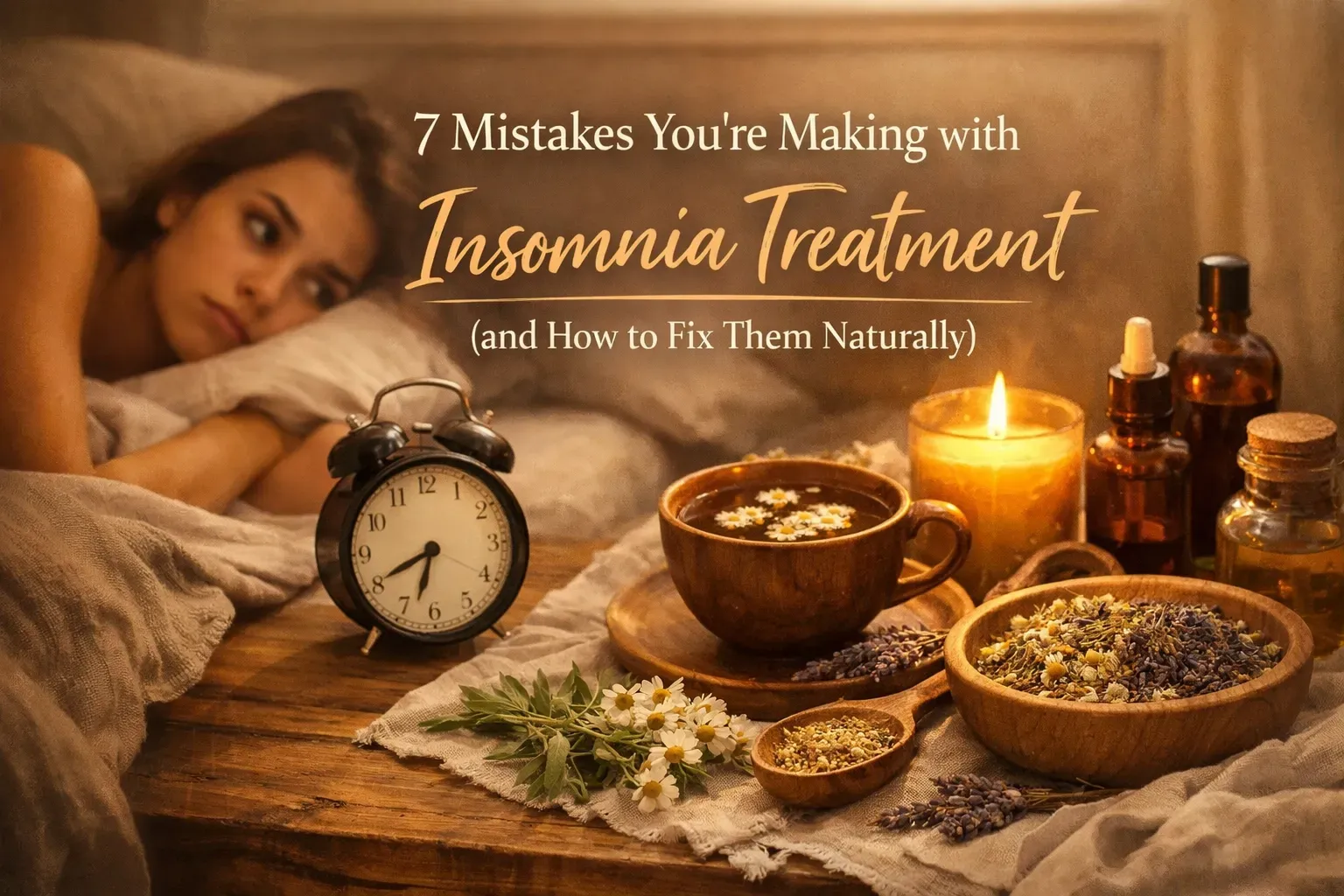
You've tried everything. Melatonin. Chamomile tea. A weighted blanket. Those "8 hours of rain sounds" YouTube videos. Yet here you are at 2 AM, wide awake, scrolling your phone and wondering why nothing works. If this sounds familiar, you're not alone. Millions of women struggle with insomnia, and research shows these challenges often peak during the hormonal shifts and high-stress years between ages 30 and 60. But here's the thing: most insomnia treatment approaches focus on symptoms, not root causes . And that's why they fail. As a functional wellness practitioner, Dr. Joan Haynes, DNP, sees this pattern constantly, women who've been told their sleep problems are "just stress" or "part of getting older." The truth? Your insomnia is often a signal that something deeper needs attention. Let's break down the 7 most common mistakes people make when treating insomnia, and more importantly, how to fix them naturally. Mistake #1: Relying on Sleep Hygiene Alone You've heard it a thousand times: keep your room cool, avoid screens before bed, stick to a schedule. And yes, sleep hygiene matters , but here's what most people don't know: it's not enough on its own . Research shows that sleep hygiene counseling is the most common response clinicians give for insomnia, yet it's known to be ineffective as a standalone treatment . Think of it like trying to grow a garden by watering the soil but ignoring that the soil itself is depleted. You need more than surface-level fixes. The natural fix: Sleep hygiene should support deeper interventions, not replace them. Address the root causes, hormone imbalances, gut dysfunction, chronic stress , and your sleep hygiene habits will actually start working. Mistake #2: Skipping Cognitive Behavioral Therapy for Insomnia (CBT-I) Here's a stat that might surprise you: 70-80% of people with chronic insomnia respond well to behavioral intervention . Yet most people have never even heard of CBT-I, and many healthcare providers don't offer it or know where to refer patients. CBT-I isn't just "positive thinking." It's a structured approach that retrains your brain's sleep patterns by addressing thoughts, behaviors, and routines that perpetuate insomnia. The natural fix: Look for a practitioner who incorporates behavioral sleep interventions into their approach. At Body Wellness Boutique, we combine functional medicine principles with behavior change strategies to help you reclaim your sleep naturally, without relying on pills.
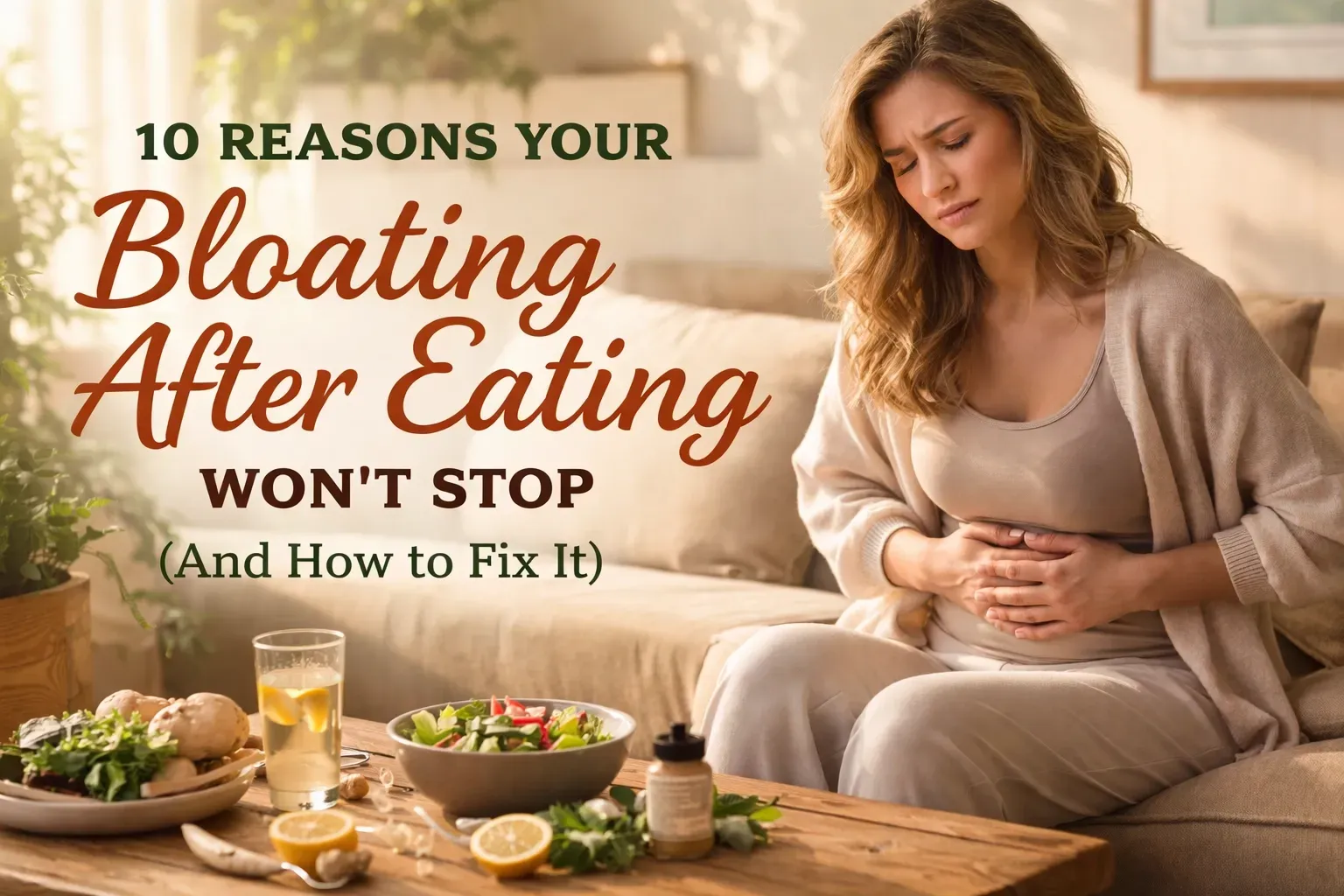
Reasons for bloating after eating, gut health, SIBO, leaky Gut, root cause for bloating after eating